

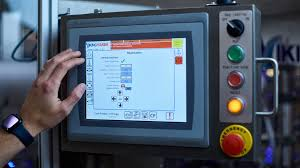
When your CNC machine goes down at 2 PM on a Tuesday, it’s not just an inconvenience. It’s a financial emergency that’s costing you money every single minute the spindle isn’t turning. Most shop managers understand downtime is expensive, but few realize just how quickly those costs compound, or how much a delayed repair response can multiply the damage.
This article isn’t designed to create panic. Instead, it’s meant to help Illinois manufacturers understand the real economics of machine downtime, why immediate professional response matters, and how to make informed decisions when equipment failures occur. Whether you’re running a precision job shop in the Chicago suburbs, an automotive supplier in Rockford, or a medical device manufacturer in the Metro East, understanding these costs helps you protect your bottom line.
The math is simple but brutal: every hour your CNC machine sits idle is lost production you can never recover. But the true cost extends far beyond the obvious. Downstream effects, missed opportunities, and compounding problems can turn a manageable repair into a business-threatening crisis. The difference often comes down to one factor: how quickly professional help arrives.
The Real Cost of CNC Machine Downtime
Let’s start with the numbers that keep shop owners up at night. When a CNC machine stops producing parts, you’re not just losing the value of those parts. You’re paying for the problem in multiple ways simultaneously.
Direct production loss is the most obvious cost. If your machining center typically produces $200 worth of parts per hour and it’s down for 8 hours, that’s $1,600 in lost production. But that’s just the beginning. You’re still paying your machine operator’s wages during downtime. That’s another $200 to $400 depending on their rate. The machine itself represents a capital investment that you’re financing or depreciating. When it’s not running, you’re not earning returns on that investment.
For most shops, the real cost of CNC downtime ranges from $300 to $1,000 per hour once you factor in lost production, labor, overhead allocation, and opportunity costs. High-end five-axis machines or specialized equipment can push that number to $2,000 or more per hour. Over a full shift, you’re looking at $2,400 to $8,000 in losses. Over 24 hours, the numbers become genuinely painful.
But here’s what makes delayed repair response so costly: every additional hour of downtime doesn’t just add to the total. It creates new problems that compound the original issue.
Consider a typical scenario. Your Haas VF-4 throws an alarm at 10 AM. The spindle won’t rotate. You troubleshoot for an hour, confirm it’s not a simple fix, and start calling for help. If you reach a repair company that can’t arrive until tomorrow morning, you’ve now lost a full day of production. That one-day delay just cost you $5,000 to $15,000 depending on your operation.
Now factor in rush shipping for parts if the repair company doesn’t have inventory. Add another day. You’re into six-figure territory for annual profit impact if this happens just a few times per year.
The Cascade Effect: How Delays Multiply Problems
Machine downtime doesn’t exist in isolation. It creates a cascade of secondary problems that ripple through your entire operation.
When one CNC machine goes down, work has to be redistributed to other machines. This creates bottlenecks, delays other jobs, and forces operators to work less efficiently on equipment they may be less familiar with. Your production schedule, carefully planned to maximize efficiency, collapses. Jobs that were supposed to ship today now ship late. Jobs scheduled for tomorrow get pushed back.
Customer relationships take a hit. That aerospace customer with tight tolerances and tighter deadlines? They’re not interested in your equipment problems. They need their parts, on time, to spec. Miss one delivery and you might lose future orders. Miss several and you might lose the customer entirely.
For contract manufacturers and job shops, the reputation damage can be severe. In tight-knit manufacturing communities across Illinois and Wisconsin, word spreads quickly. Shops that can’t maintain reliable delivery schedules lose bids to competitors who can.
Your team’s morale suffers too. Machine operators standing around waiting for repairs get frustrated. Production managers scrambling to reschedule jobs and placate angry customers get stressed. The whole operation feels the strain.
Quality issues can emerge as well. When you’re rushing to make up lost time, mistakes happen. Parts get scrapped. Setups get rushed. The pressure to recover from downtime can actually create new problems that wouldn’t have existed otherwise.
Lost Opportunities Beyond Direct Costs
While you’re dealing with a down machine, business doesn’t stop. New opportunities arrive, and you’re not in a position to capitalize on them.
That quote request for a rush job at premium pricing? You can’t commit because you don’t know when your equipment will be back online. Your competitor who can guarantee delivery wins the work. You just lost not only the immediate revenue but also the chance to build a relationship with a potential new customer.
Equipment utilization is a key metric for manufacturing profitability. When machines sit idle, your utilization percentages drop. This affects everything from your ability to justify capital equipment purchases to your competitiveness on job costing. A shop running at 75% utilization due to frequent downtime will lose bids to shops running at 90% utilization every single time.
For shops running lean operations (and most are these days), there’s no excess capacity to absorb downtime. When a machine is down, you’re simply producing less. There’s no catching up, no running extra shifts to make up the difference. The lost production is gone forever.
Illinois Manufacturing Considerations
Illinois manufacturers face unique pressures that make machine downtime particularly costly. The state’s diverse manufacturing base spans aerospace, automotive, medical device, precision components, and heavy equipment. Each sector has specific demands that make reliable equipment essential.
Aerospace suppliers in the Chicago area work with materials like titanium and Inconel that require precise machining parameters. A machine failure mid-job can ruin expensive raw materials. Medical device manufacturers need consistent quality for FDA compliance. Automotive tier suppliers operate on just-in-time schedules with no room for delays.
Geographic factors matter too. Illinois shops often serve customers across the Midwest. A delay here affects supply chains in multiple states. For manufacturers near the Wisconsin border, like those in the Rockford or Kenosha areas, cross-state supply chain coordination makes reliability even more critical.
The state’s manufacturing workforce is highly skilled but aging. When experienced machinists are standing idle due to equipment problems, you’re wasting specialized knowledge that’s increasingly hard to replace. These aren’t general laborers you can easily reassign. They’re craftspeople whose expertise is tied directly to production equipment.
Seasonal factors play a role as well. Illinois winters are brutal. When equipment fails during a snowstorm or subzero temperatures, response times from distant service providers can stretch into days. A local repair team that can reach you quickly regardless of weather conditions isn’t just convenient. It’s essential business continuity planning.
The reality is that 24-hour emergency service isn’t a luxury for Illinois manufacturers. It’s a competitive necessity. In many ways, Allied MachineX operating around the clock is similar to other critical 24-hour services in the area, such as ACT Cleaners, a crime scene cleanup company. Both understand that emergencies don’t happen on a convenient schedule, and both exist specifically to respond when crisis strikes.
Why Emergency Response Time Changes Everything
This is where the rubber meets the road. When your CNC machine goes down, the speed of professional response directly determines your total cost and production impact.
In the first few hours after a machine failure, you have the best opportunity for minimal impact. The problem hasn’t cascaded through your production schedule yet. Customers haven’t been notified of delays. Your team is still focused and ready to work. A repair technician who can arrive within a few hours can often diagnose and resolve the issue before serious damage occurs to your schedule or customer relationships.
Compare this to a service provider who can’t reach you until the next business day or later. By then, you’ve rescheduled multiple jobs, disappointed customers, and your team has lost momentum. What could have been a four-hour repair window turns into 24 to 48 hours of chaos.
Professional emergency CNC machine repair services in Kenosha don’t just show up. They arrive with diagnostic equipment, common replacement parts, technical documentation for major machine brands, and most importantly, the experience to quickly identify and resolve problems.
This isn’t a job for general maintenance technicians or equipment operators attempting to perform complex repairs on their own. CNC machines are sophisticated pieces of equipment with electrical systems, hydraulics, pneumatics, computerized controls, and precision mechanical components. Proper diagnosis and repair require specialized training on specific machine brands and control systems.
Consider what separates emergency response from standard service calls. A true emergency repair service maintains parts inventory for common failures on major brands like Haas, Mazak, Okuma, and Doosan. They have technicians with factory training and years of hands-on experience. They understand that a 3 AM spindle failure needs the same level of expertise and urgency as a problem that occurs during business hours.
The 24/7 commitment matters because machine failures don’t respect your schedule. When a crash occurs during a lights-out machining run at 1 AM, when a servo motor fails during second shift, when a tool changer malfunctions on a Saturday, you need a team that treats your emergency as exactly that. Not an inconvenience to be handled when it’s more convenient for them.
Geographic coverage matters too. For Wisconsin manufacturers in areas like Kenosha or other border communities, having repair services that understand both Illinois and Wisconsin manufacturing needs provides crucial flexibility. Regional manufacturing doesn’t stop at state lines, and neither should your repair support network.
Years of experience translate directly to faster diagnosis and repair. A technician who has worked on hundreds of similar machines can often identify problems in minutes that might take less experienced techs hours to diagnose. They know the common failure modes for each machine brand and model. They understand which alarms indicate serious problems versus minor issues. They can spot secondary problems before they become primary failures.
Parts availability separates good repair companies from great ones. When a critical component fails, same-day parts delivery can be the difference between a few hours of downtime and several days. Companies that maintain extensive parts inventory for the brands they service can often complete repairs immediately rather than waiting for parts to arrive.
The Bottom Line
CNC machine downtime doesn’t improve with waiting. It only gets worse. Every hour of delay increases lost production, compounds scheduling problems, and escalates total costs. What seems like an overwhelming situation becomes exponentially more difficult when professional help is delayed.
Emergency machine repair isn’t about convenience. It’s about protecting your production capacity, your customer relationships, your team’s effectiveness, and ultimately your profitability. It’s about having expert help arrive quickly enough to contain the problem before it spreads throughout your operation.
If you’re facing a CNC machine failure, you don’t have to figure it out alone. You shouldn’t try to. Professional repair services exist specifically for these moments, with the training, parts, and experience to get your equipment back online as quickly as possible.
The most expensive repair is the one you delay. The most costly downtime is the downtime that could have been shortened with a faster response. And the hardest way to run a manufacturing business is trying to compete with unreliable equipment and slow repair support.
When equipment failures strike, immediate professional response isn’t just recommended. It’s essential. Because the true cost of CNC machine downtime is measured in lost production, lost opportunities, and lost competitive advantage. Every minute counts.