

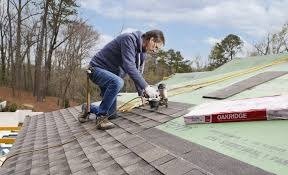
Maintaining the structural integrity of a home begins at the top—with the roof. It serves as the first line of defense against environmental elements, such as rain, snow, wind, and sun. Over time, even the most durable materials can weaken, leading to leaks, mold, and deterioration that may extend beyond the roof and into the home’s structure. Understanding how a roofer contributes to preventing these issues is key for every homeowner. We will explore how professional roofing care not only protects your property but also saves you from the significant financial burden of structural repairs.
The Vital Role of a Roofer in Protecting Your Home’s Structure
1. Detecting Early Signs of Damage Before They Escalate
One of the most important ways a roofer helps prevent structural damage is through early detection and prompt repair. Roof damage often begins subtly—with missing shingles, cracked flashing, or minor leaks that go unnoticed by the untrained eye. A roofer in Gardner KS conducts thorough inspections, identifying small issues before they become major threats. For instance, a small water leak can lead to wood rot, weakened trusses, and mold growth if ignored. By spotting and fixing these issues promptly, roofers stop the damage from spreading to the interior structure. Regular roof evaluations also help identify vulnerabilities caused by weather exposure or poor ventilation, allowing homeowners to address problems proactively rather than reactively. This approach ensures that repair costs remain manageable, extending the roof’s life while maintaining the home’s overall safety and stability.
2. Reinforcing the Roof’s Ability to Withstand Weather Extremes
Weather is one of the biggest threats to a home’s structure, and a roofer plays a vital role in preparing the roof to handle these challenges. Heavy rain, snow, hail, and strong winds can cause significant stress to roofing materials. Roofers install and reinforce shingles, flashing, and underlayment to ensure they can endure extreme conditions. They also ensure that drainage systems, such as gutters and downspouts, are properly aligned and functioning to prevent water from pooling or seeping into vulnerable areas. Without these measures, moisture can infiltrate the roof deck, leading to rot, sagging, and even foundation issues over time. By improving the roof’s resilience against environmental stressors, roofers help homeowners avoid the long-term structural damage that often results from unchecked water infiltration and temperature fluctuations. This protective work ensures that the building remains structurally sound, regardless of the season.
3. Maintaining Proper Ventilation and Insulation for Structural Longevity
Proper ventilation and insulation are crucial in preventing structural damage, and roofers play a vital role in ensuring these systems function effectively. When a roof lacks ventilation, heat and moisture can build up in the attic, causing wood components to warp or rot. Excessive heat can also damage roofing materials from underneath, shortening their lifespan. A roofer assesses and installs ventilation systems such as ridge vents and soffit vents to promote consistent airflow throughout the attic.
Insulation is another aspect roofers address, ensuring it’s correctly installed to regulate indoor temperature and reduce stress on the home’s framework. Balanced ventilation and insulation prevent condensation that could otherwise lead to mold growth and material decay. By maintaining these internal systems, roofers help homeowners safeguard both the roof structure and the home beneath it, contributing to a more energy-efficient and structurally sound environment.
4. Preventing Water Intrusion and Structural Rot
Water intrusion is one of the most common and damaging issues homeowners face. Even a minor leak can cause significant deterioration if left unresolved. Roofers take multiple steps to prevent water from entering the structure. They inspect and repair flashing around chimneys, skylights, and vents—areas that are particularly vulnerable to leaks. Additionally, they ensure that sealants and roofing materials are intact and capable of repelling water effectively.
When water infiltrates, it can saturate insulation, compromise drywall, and lead to the decay of wooden supports. Over time, this not only weakens the roof but can also spread downward, affecting ceilings, walls, and even the foundation. By maintaining a watertight seal across the roof, roofers prevent the domino effect of moisture-related damage that can quickly escalate into a costly structural problem. Their ongoing maintenance work provides peace of mind, ensuring the home remains secure and dry.
5. Extending Roof Lifespan Through Timely Repairs and Maintenance
Regular maintenance and timely repairs are crucial for extending a roof’s lifespan and preserving the home’s structural integrity. Roofers often offer maintenance plans that include cleaning debris, checking for loose shingles, and inspecting flashing and seals. This preventive care helps homeowners catch small problems early. For example, replacing a few damaged shingles can prevent moisture from entering and causing structural damage.
Likewise, repairing minor wear and tear helps prevent more extensive and costly repairs down the road. Roofers also monitor the condition of underlayment and decking—key components that support the entire roof system. By addressing these elements before they degrade, roofers ensure the structure beneath remains strong and stable. This proactive approach not only enhances the roof’s durability but also minimizes the risk of interior damage, saving homeowners from significant repair costs and maintaining property value over time.
A roofer’s contribution to preventing costly structural damage extends far beyond simple repairs. Through inspections, maintenance, reinforcement, and replacements, they help homeowners protect their properties from the elements and the gradual wear that threatens structural stability. Roofers ensure that minor issues are caught early, water is kept out, and ventilation systems function efficiently. Their work preserves not only the roof itself but the entire framework beneath it, safeguarding the home’s long-term value and safety. Investing in regular roofing care ultimately saves homeowners from the heavy financial and emotional burden of major structural repairs—proving that a well-maintained roof truly upholds the strength of the entire home.