

Keeping your solar generator in top condition ensures that it provides electricity when you need it the most. Regular maintenance can help prevent failures, increase battery life, and safeguard your investment. Whether you use it for home backup, camping, or off-grid life, simple maintenance goes a long way. Most systems require little maintenance; however, they are not completely maintenance-free. Clean components, healthy batteries, and proper storage techniques will help your generator function better over time. This book provides simple, practical strategies for maintaining your solar generator, increasing its performance, and avoiding costly complications. Follow these guidelines to obtain consistent, long-term performance from your solar power system.
How Do You Maintain a Solar Generator for Long-Term Use?
Clean the Panels and Ports Regularly
Dust, grime, and debris limit the efficiency of solar panels. Clean them with a gentle cloth and water every few weeks or after a storm. Avoid using abrasive cleansers, which may damage the surface. Examine the input and output ports for buildup, corrosion, or loose debris. Compressed air can be used to blow dust out of vents. Clean ports promote strong connections and prevent overheating and charging issues. Schedule cleanings on clear days to maximize sun exposure while operating. Angle your removable panels to allow for simple cleaning access. Keeping surfaces clean enhances performance and avoids wear due to accumulation or corrosion.
Check Battery Health and Charge Cycles
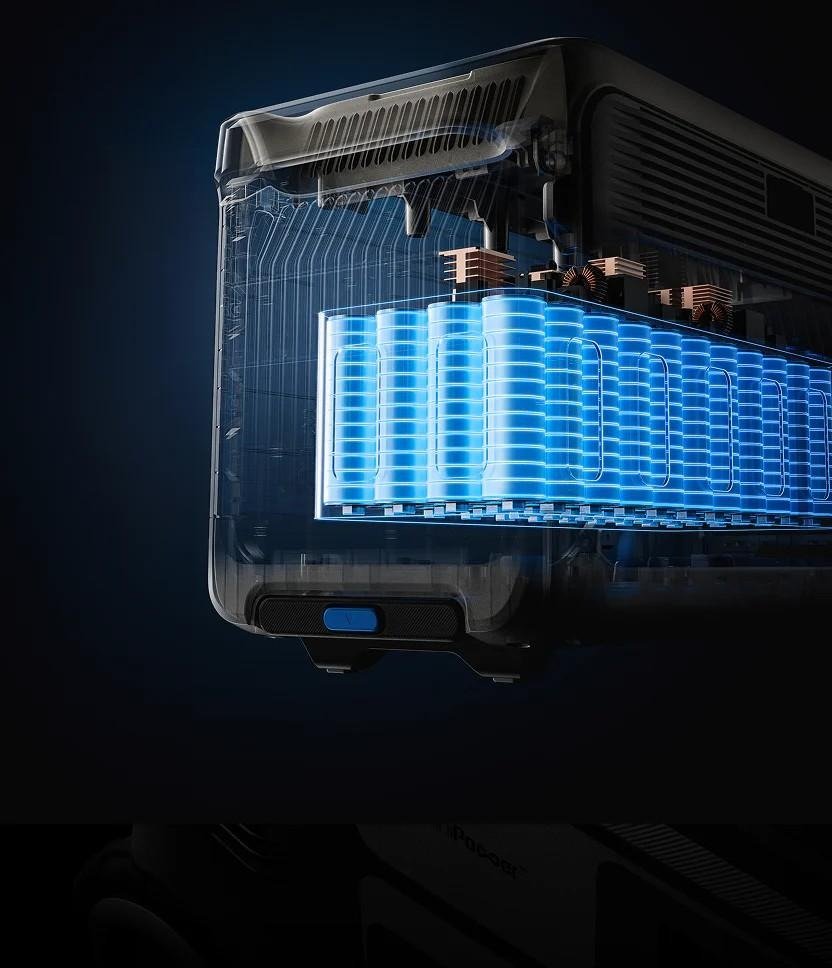
The lifespan of a battery is determined by its charge cycles, usage patterns, and storage environment. Monitor the health of your generator’s battery via its display or a companion app. Avoid complete discharges whenever feasible; keeping charge levels between 20% and 80% extends longevity. If the generator is not in use, recharge the battery regularly and keep it partially charged in a cool, dry area. Some systems incorporate cycle counters or health indicators, which should be checked on a regular basis. If your battery is replaceable, check its rated lifespan and schedule a replacement after a few years. Proper battery maintenance decreases the likelihood of failure and ensures that power is accessible when needed.
Inspect Cables, Connections, and Inverter Performance
Loose or broken wires can cause ineffective charging, short circuits, and system failures. Inspect all input and output cables for frayed insulation, fractured connections, and bent pins. Replace worn parts with manufacturer-matched components. Ensure that each plug fits snugly without being forced. Test the inverter’s performance under load with typical devices such as lights or laptops. Listen for strange noises and look for flickering lights or failure codes on the display. A defective inverter may exhibit lower output or overheating symptoms. Catching minor problems early saves larger failures and keeps your generator working smoothly for years.
Pro Tips to Maximize Efficiency and Durability
Use a Maintenance Schedule or Checklist
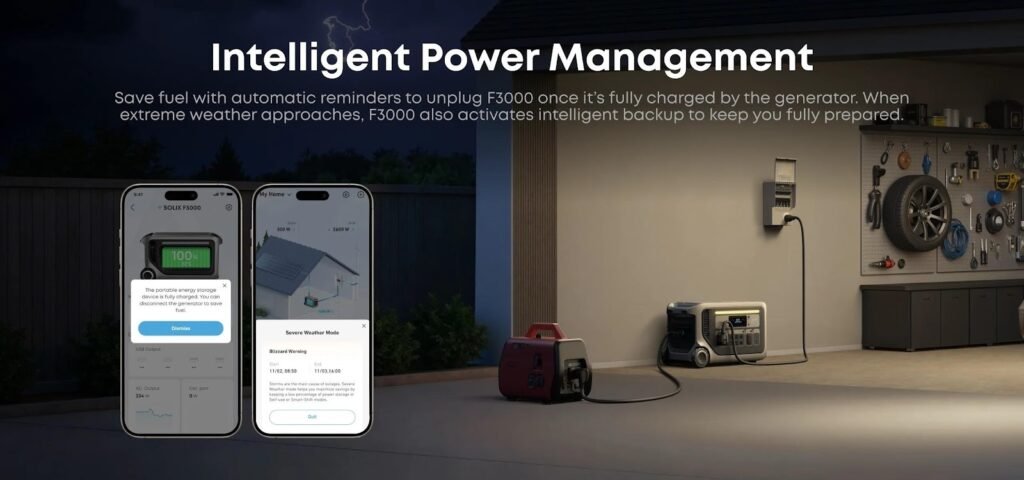
A basic checklist ensures that you stay up to date with maintenance. Include duties such as cleaning panels, checking wires, assessing battery levels, and upgrading firmware. Break down chores into monthly, seasonal, and yearly categories. Use your phone or calendar app to set reminders, or print a list and keep it with your solar power generator for home manual. Regular checks decrease long-term wear and maintain system efficiency. Track run duration and performance after each use to identify patterns. If you lend the generator or transfer it between sites, perform a thorough examination before reconnecting. Following a timetable helps you develop healthy habits and maximize your return on investment.
Store the Generator Safely During Off-Season
Keep your solar generator in a cool, dry, and well-ventilated place while you’re not using it. Stay away from very hot or very cold temperatures, as they might harm internal parts or shorten battery life. Before putting it away, unplug all the cords and turn it off completely. Keep it off the ground so that moisture doesn’t build up, and cover it with a case or cloth that keeps dust out. Recharge the battery to around 50% before long-term storage and top it off every 1–2 months. If your system has solar panels, keep them flat in a cushioned box or install them firmly. Storing the generator properly during the off-season will make it last longer and keep it ready to use.
Update Firmware and Follow Manufacturer Guidelines
Many current solar generators incorporate programming that manages charging behavior, safety features, and compatibility with new accessories. Once every few months, check the manufacturer’s website or app for firmware upgrades. Follow the step-by-step instructions to prevent interrupting or bricking the device. Also, consult the user manual for model-specific maintenance instructions, such as how to reset the system, troubleshoot common problems, and properly replace parts. Use only certified accessories and avoid using third-party chargers unless they are officially supported. Brands frequently offer longer warranties if you register your product and follow maintenance requirements. Keeping up with the latest software and best practices safeguards your system and assures peak performance.
Conclusion
Your solar generator can give you consistent, long-lasting power for years if you take care of it regularly. Cleaning, checking the cables, and checking the batteries on a regular basis will help keep things from breaking down and make them work better. Making a checklist, upgrading your firmware, and putting your system away correctly in the off-season all give further safety. Solar units don’t need much maintenance, unlike gas generators. However, it doesn’t imply you should disregard them. If you follow the advice in this book and stick to it, your solar generator will be ready to use anytime you need it, whether it’s for camping, an emergency, or backup power at home. If you take care of it, you’ll always have power when you need it most.