

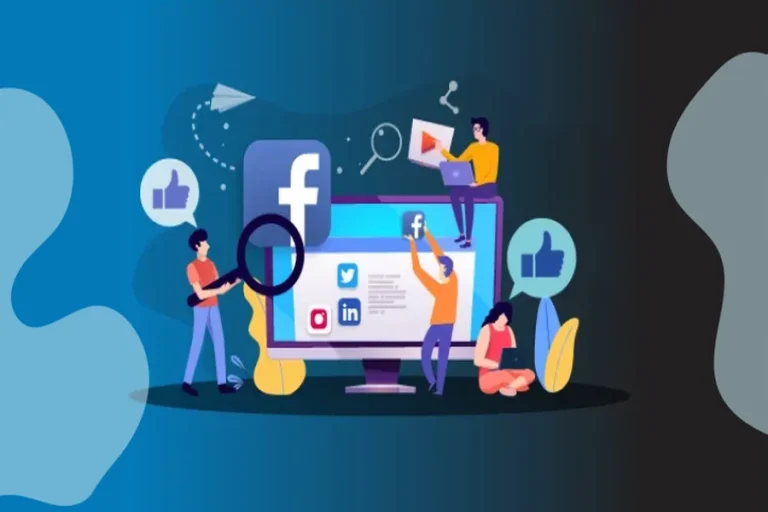
Keeping an eye on social media means watching what folks say about your brand, products, industry, and rivals all over the place. It’s not just lurking; it’s jumping in to reply to posts, comments, or messages that mention you – tagged or not.
By watching places like Facebook, X, Instagram, TikTok, and LinkedIn, businesses can learn cool stuff. You get to know what people chat about, what they dig (or don’t), and what’s hot. Mainly, it aids you in getting your audience, seeing opportunities, and making better choices for marketing and product changes.
How does social media monitoring work?
Social media monitoring isn’t some one-click magic—it’s a mix of smart tech and human thinking. Here’s a simple breakdown of how it works:
a. Data Collection
It starts with data collection, which means snagging mentions, comments, likes, hashtags, and shares from everywhere. Monitoring setups scrape the web, use APIs, and crawl in real-time to grab this data non-stop.
They capture nearly everything, even those sneaky mentions of your brand, giving you a complete view of your online buzz. The collected data is later displayed in an interactive social media dashboard, helping teams visualize the full scope of engagement and discussions happening around their brand.
b. Data Processing and Analysis
With all that data in hand, it’s time to make sense of it. Tools use things like Natural Language Processing (NLP) and machine learning to get the vibe of posts to figure out if people sound happy, upset, or whatever, and what people are talking about.
This lets brands see how people feel about them, what’s hot, and what gets people going. Basically, it turns chatter into info that can help with marketing, helping customers, and keeping your brand looking good.
c. Reporting and Visualization
Now for the cool piece, turning that data into visuals. Monitoring setups show results through dashboards and reports that point out sentiment, engagement, and audience info.
These reports make it easier for marketing folks to spot trends, see weird stuff, and decide without getting lost in numbers.
read more :Trending Colours to Choose for Your Exterior
How social media monitoring works in 5 steps
Monitoring your brand on social media helps you know what people think, track market trends, and adjust your approach when needed. Here’s how to do it step-by-step:
Step 1: Choose the Right Keywords
The first and most important thing—pick the right keywords. They’re your ears on the internet.
Here’s what to include:
- Your brand and product names: including variations and even common typos.
- Competitor names: so you know what others in your space are doing.
- Industry terms and hashtags: to stay on top of trending conversations.
- Customer questions: so you can spot pain points and respond better.
With a solid keyword list, you won’t miss any conversation that could shape your brand’s reputation.
Step 2: Look in the Right Places
Not every social platform works the same. Each one has its own crowd and vibe.
- Twitter (X) is all about quick updates and live conversations.
- LinkedIn is more professional and business-oriented.
- TikTok is visual and fun, perfect for creative engagement.
- Facebook is still huge for community discussions and personal stories.
Knowing where your audience hangs out helps you focus your efforts and connect more genuinely.
Step 3: Use Social Monitoring Tools
Once your keywords and platforms are set, get yourself a good monitoring tool. These tools automatically track public mentions, hashtags, and keywords related to your brand—all in one place.
They can:
- Track every mention of your brand in real-time.
- Analyze sentiment (positive, negative, neutral).
- Watch competitors’ social activities.
- Find trending topics faster than you ever could manually.
This saves loads of time and helps you react before small problems turn into full-blown PR nightmares.
Step 4: Analyze Your Data
Raw data doesn’t mean much until you interpret it. Most tools give you graphs and visuals that help you figure out what’s going on.
Look for:
- Sentiment changes (is the buzz around your brand getting better or worse?)
- Conversation themes (what people are talking about most)
- Crisis alerts (sudden spikes in negativity)
- Competitor comparisons
- Audience breakdowns
When you actually understand this data, you can tweak your campaigns, content, and customer service for better results.
Step 5: Track Historical Data
Social media monitoring isn’t just about what’s happening right now. You can also look back and see how things changed over time.
Historical data shows you:
- How people reacted after a big campaign or product launch
- What strategies worked in the past
- How audience preferences shifted
It’s like having a roadmap of your brand’s digital history, helping you plan smarter for the future.
Final thoughts
These days, what people think about your brand is basically online. People chat about you whether you’re there or not. So, keep tabs on social media.
If you watch what people are saying about your brand, what your rivals are doing, and what’s up in the market, you can jump in faster, talk to people better, and get tighter with your crowd.
The thing is, just listening isn’t enough. You have to get what’s going on and answer back. That’s how you build up your brand online.