

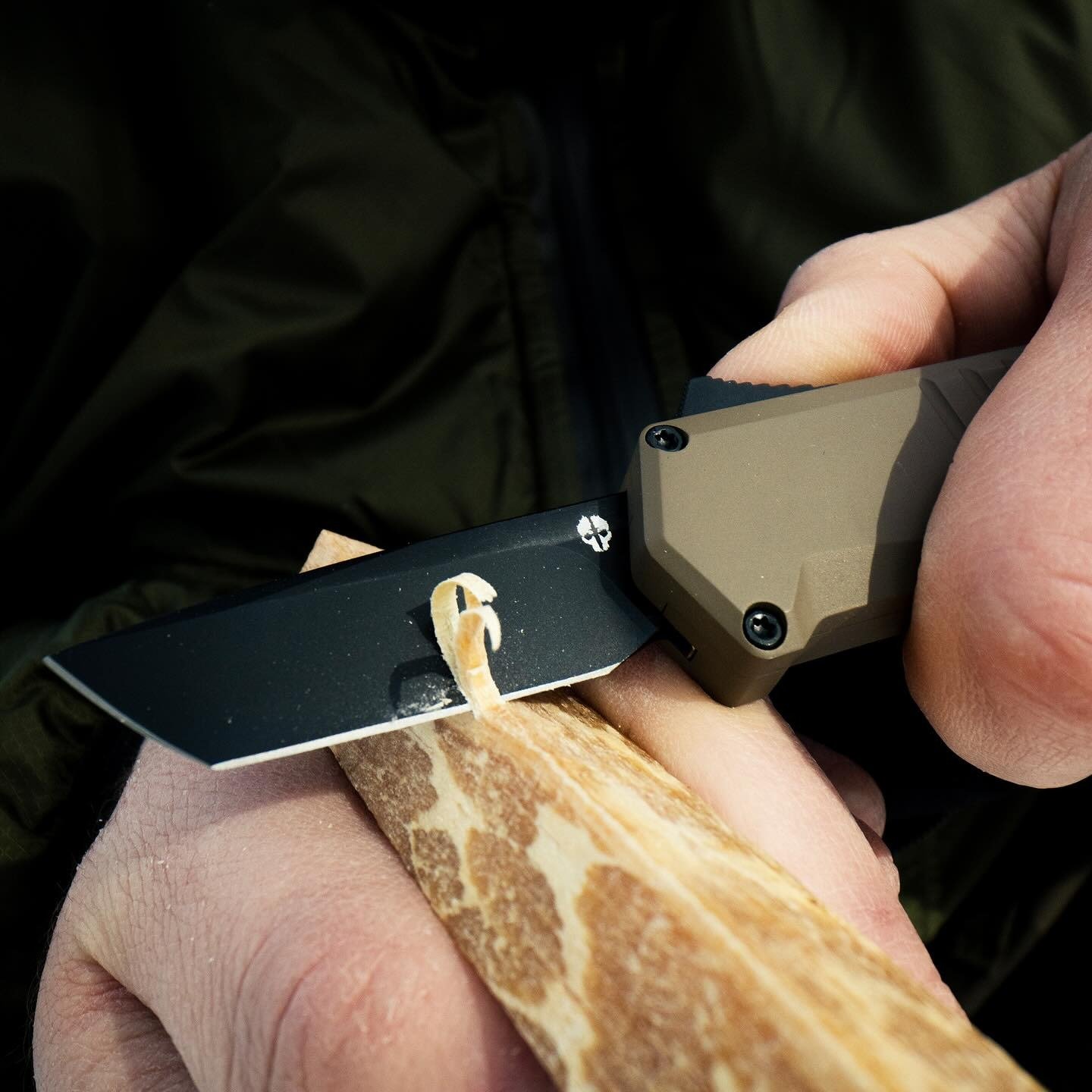
A pocket knife is more than a tool; it’s an extension of your preparedness. Whether it’s hiking along woodland trails, setting up camp, or surviving the day-to-day, this handheld tool provides you with flexibility and control. Knowing how to use it correctly is what separates the apprehensive beginner from the confident adventurer. Learning a few basic techniques, anyone can become self-reliant in the wild. Here are five fundamental skills that every fan must learn to optimize their blade:
Safe Handling and Control
Above all other moves, safe handling comes first. Accidents occur not because a blade is sharp but from a loss of control. Always cut away from your body, never towards it, and hold your non-cutting hand clear of the knife’s path. Hold securely by placing your thumb on the blade’s spine, enhancing stability in use. In passing the knife, close it if feasible; otherwise, present it handle first. Such habits, simple as they are, form a basis of safety and avoid typical accidents in camp or trail environments.
Whittling and Carving for Utility
The value of a pocket cutter manifests itself in tool making or whittling wood for camp items. Whittling stakes, notching traps, or shaping cooking sticks requires patience and precision. Use careful cuts rather than chopping hard, since finesse reduces blade pressure and conserves energy. Practice carving at home prepares you for actual field challenges, such as fashioning a walking stick or repairing gear. These skills not only enhance your problem-solving capacity but also provide you with a higher regard for the material you carve. Gradual, slow progress in carving equals amazing efficiency in the field.
Food Preparation in the Wild
Cooking food in the wild requires more than fire; it requires the right tools. A sharp, versatile cutting tool allows you to peel vegetables, slice up fruit, and prepare meat with ease. Slim, clean cuts preserve flavor while minimizing wastage, and a compact blade ensures portability without compromising performance. When planning trips, consider purchasing a quality pocket knife that strikes a balance between sharpness and durability, making food preparation both safe and efficient. From filleting fish directly from the catch to slicing bread during a picnic, confidence in the knife ensures meals are handled with precision. This turns outdoor cooking from a chore into a joy.
Building and Repairing Gear
Whether it’s whittling tent stakes or pruning cordage, a switchblade proves itself to be essential when building or repairing equipment. Lightweight shelters, fire starting equipment, and even fixing backpacks in an emergency all use a reliable blade. When cutting cordage, use a smooth sawing action instead of hacking away. This method helps keep the edge sharp and minimizes fraying. Bushman’s makeshift remedies, such as carving wood to fashion splints or whittling out spare parts, demonstrate the knife’s versatility. The skill is not speed but contemplative craftsmanship. Acquiring these skills teaches resilience, and in any unplanned circumstance, you are ingenious and composed.
Fire Preparation and Survival Skills
Fire sits at the center of survival, and a good knife has a tangential contribution to make in its procurement. Feather sticks, which are thin curls shaved off dry wood, will ignite with a spark or flame readily. Splitting kindling from small branches also requires controlled strokes that rely on technique instead of strength. Other than fire making, the blade is used to prepare tinder bundles, clear brush, or even strike ferro rods in the absence of any other tools. By developing these skills before venturing into the wild, you remove uncertainty and become more assured. There are not many tools that offer as much usefulness in supporting survival fundamentals as the pocket cutter.
Learning to use a pocket knife is so much more than learning to cut; it’s learning to be confident and self-reliant outdoors. Safe handling prevents accidents, carving capability offers entry to innovative problem-solving, and meticulous food prep makes mealtime easier. Add in the ability to build, repair, and start a fire, and you have a solid set of skills based around one small tool. With frequent practice and respect for the blade’s ability, you gain independence that extends beyond hiking or camping. The simple yet functional blade becomes a loyal companion for all ventures into the wild.